1989 -2003
Creation of Fifata and development of services in
6 regions


Fifata is a national Malagasy farmer organization bringing together 36,500 members, representing 28,000 family farms, within 2,630 grassroots FOs and 13 regional FOs.
Fert supported Fifata in the creation of 5 specialized FOs: Cecam, Ceffel, Cap Malagasy, Fekama and Formagri. These organizations respectively provide financing services, training and advisory services in fruit and vegetable production, local agricultural advisory services, training and professional integration for young people, and leadership training, all for the benefit of Fifata members.
Fert supports Fifata and all the organizations within the Fifata group in their professionalization and increasing autonomy.
Renewed and harmonized governance for all organizations of the Fifata group
poultry mortality for
25,000 members
chickens sold
collectively / year
farmers have access to the savings-credit service of their local FO for an amount of Ar 2 billion in credit / year
✦ 1 930 active lead farmers
✦ 580,000 vaccines administered each year (poultry and pigs)
✦ 790 FOs have developed a savings and credit service for their members
✦ 2 500 tonnes of storage capacity for Fifata members
✦ Definition of a new electoral code for all FOs of the Fifata group

“My name is Erica, I am 24 years old. I am married and the mother of one child. I am a member of the Miavotra FO in Bongatsara and I am a Lead Farmer Vaccinator. Thanks to the training I received on poultry farming and poultry health, I developed a poultry farming activity. I produce around 15 to 20 chicks per month, which I sell for 10,000 Ar each. From the improved Kuroiler breed, they grow well and sell easily on the local market.”


 https://www.fert.fr/v2/wp-content/uploads/2014/10/ze_fert_part1-3201.jpg
236
329
limbus
https://www.fert.fr/v2/wp-content/uploads/2024/07/2024-logo-fert-hd-295x300.jpg
limbus2014-10-28 15:11:162020-04-07 09:53:1525 years of Fifata: Malagasy farmers celebrate a quarter century of peasant organization [Madagascar]
https://www.fert.fr/v2/wp-content/uploads/2014/10/ze_fert_part1-3201.jpg
236
329
limbus
https://www.fert.fr/v2/wp-content/uploads/2024/07/2024-logo-fert-hd-295x300.jpg
limbus2014-10-28 15:11:162020-04-07 09:53:1525 years of Fifata: Malagasy farmers celebrate a quarter century of peasant organization [Madagascar]
 https://www.fert.fr/v2/wp-content/uploads/2013/01/Site-Fifata1.jpg
486
567
limbus
https://www.fert.fr/v2/wp-content/uploads/2024/07/2024-logo-fert-hd-295x300.jpg
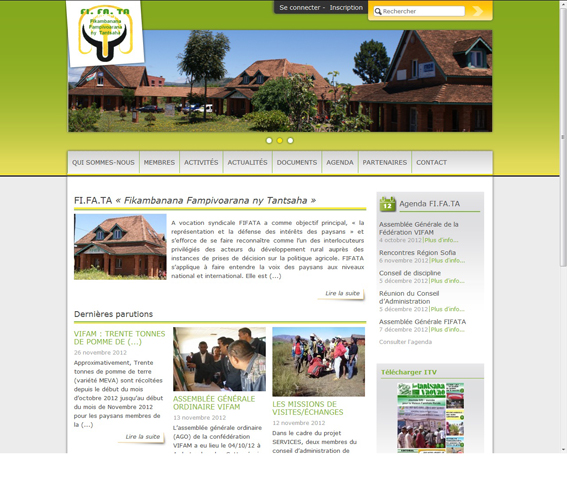
limbus2013-01-25 11:46:322020-04-07 09:54:36Fifata acquires a website to promote its actions
https://www.fert.fr/v2/wp-content/uploads/2013/01/Site-Fifata1.jpg
486
567
limbus
https://www.fert.fr/v2/wp-content/uploads/2024/07/2024-logo-fert-hd-295x300.jpg
limbus2013-01-25 11:46:322020-04-07 09:54:36Fifata acquires a website to promote its actions
