For forty years, the agri-agency Fert has been committed to supporting Malagasy farmers in developing agriculture on the great island. To ensure that the mobilised funds achieve results in line with the objectives, Fert and its partners’ actions are regularly subject to external evaluations.
At the end of 2024, the consultancy firm TERO conducted an independent evaluation of agricultural development initiatives around the capital, Antananarivo, implemented as part of the Protana2 project, co-financed by the French Development Agency (AFD), the European Union, and Fert.
This evaluation aimed, in particular, to analyse the effectiveness, relevance, impact, and sustainability of the actions carried out by the producer organisations of the Fifata group, with the support of Fert, over the 2022-2025 period.
The Evaluated Action
As part of Protana2, the initiative aims to enhance the resilience and incomes of farmers by structuring the supply of fresh and healthy agricultural products in the production areas around Antananarivo. Implemented by Fert, in partnership with Fifata, Cap Malagasy, and Ceffel, it is organised around three main pillars:

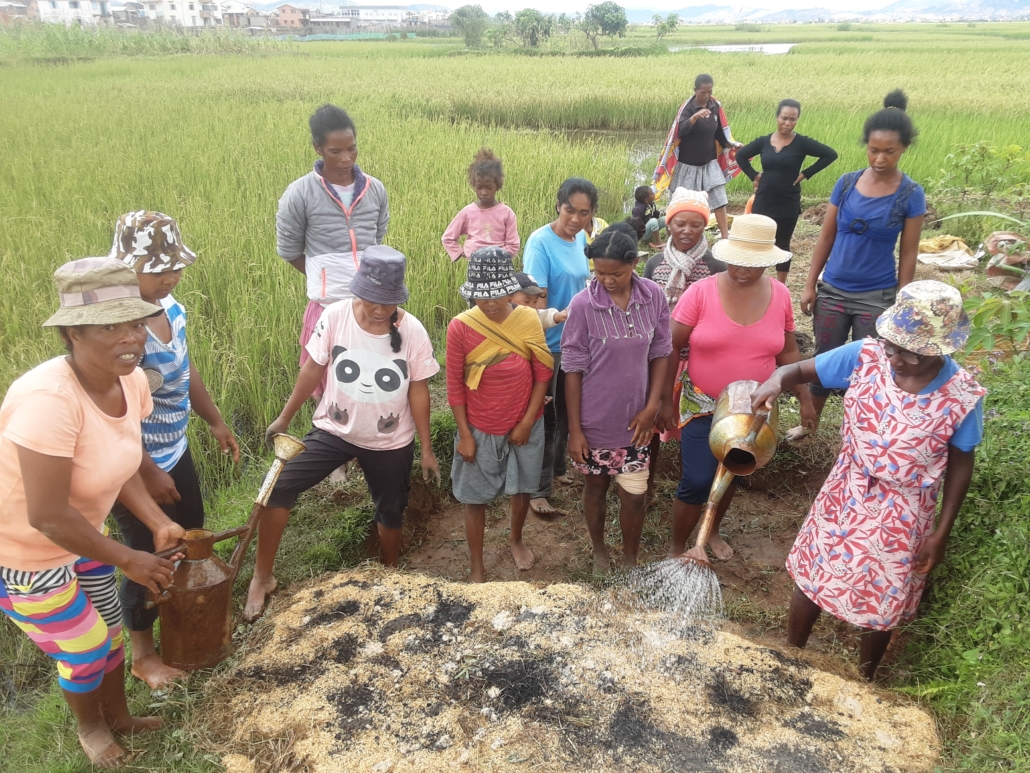
- Increase farmers’ incomes by promoting effective agroecological practices and supporting the proper management of agricultural holdings.
- Improve food security for rural households and enhance the marketing of fresh and healthy agricultural products in local markets.
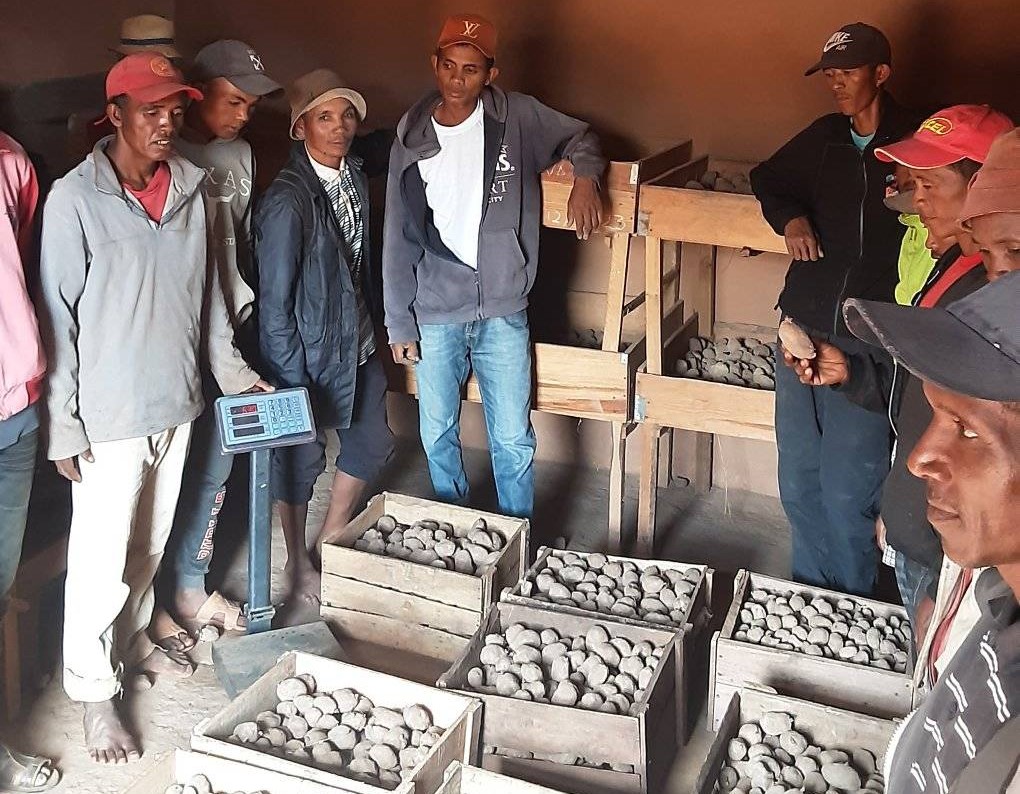
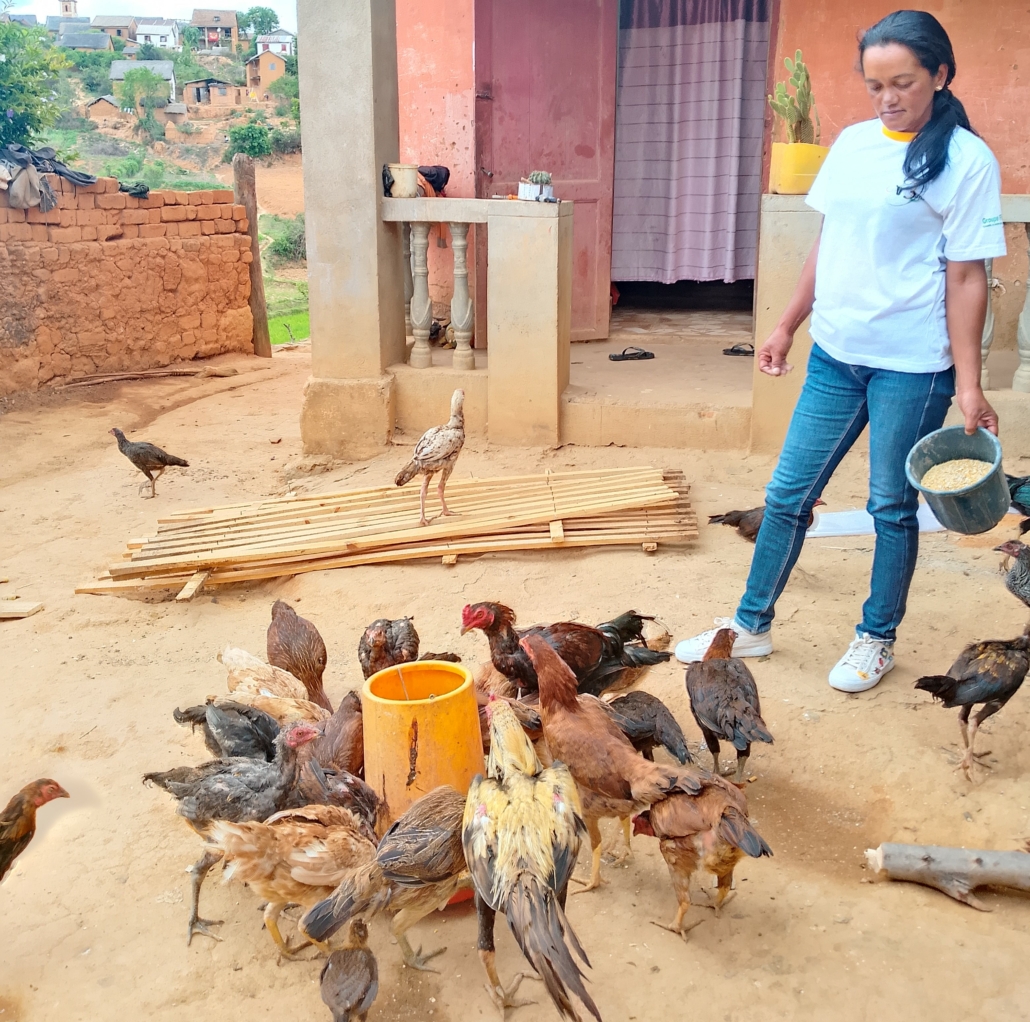
- Strengthen professional organisation by developing agricultural services that address farmers’ challenges, such as access to irrigation water, financing, storage facilities for agricultural products, poultry vaccination, and more.
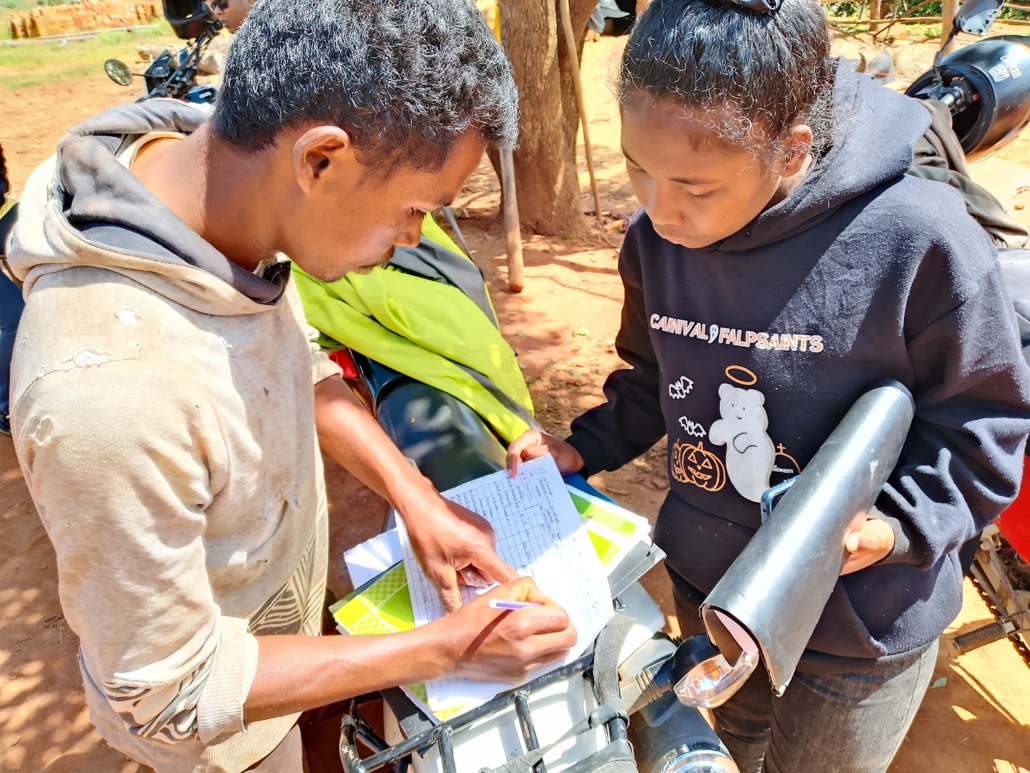
The two evaluators from TERO, Gauthier Ricordeau and Olga Rasoalandinirina, visited 20 out of the 90 concerned municipalities, conducted over 200 interviews (50% of which were with women), and reviewed numerous technical documents.
Key Results
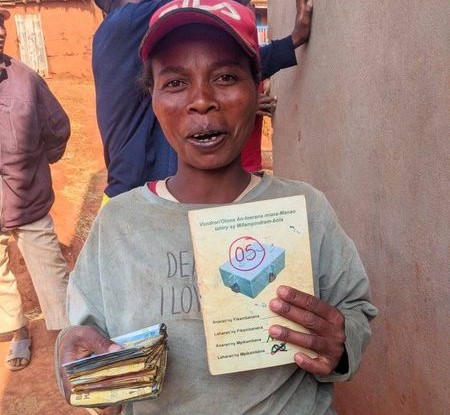
The particularity of this evaluation is that it relied heavily on the perspectives of the farmers themselves, by questioning them about the support they received and the services they have organised and now benefit from. Two services are particularly highlighted: poultry vaccination and savings and credit schemes.
The evaluation specifically highlighted the following progress between 2021 and 2023:
- A 68% increase in production volumes among supported farmers, notably due to the introduction of new complementary crops alongside rice, such as vegetables and potatoes.
- An average 64% increase in profits for six key crops: leafy vegetables, dry and green beans, onions, potatoes, and tomatoes.
- A 61% reduction in local breed chicken mortality, bringing it down to 7%, thanks to the vaccination programme, resulting in an additional €150 per farm between 2021 and 2023.
- A shortened lean season—the period of food scarcity—for 85% of families.


Testimonials from Farmers Collected in October 2024
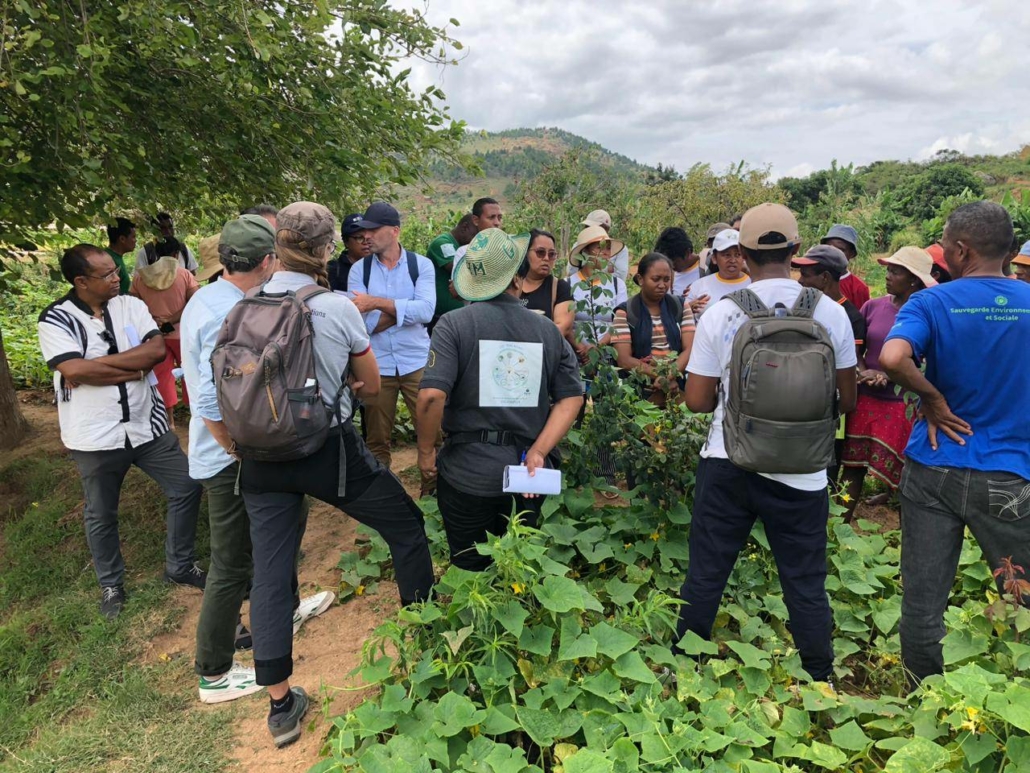
On 27 January 2025, before the presentation of the evaluation results, a delegation of representatives from the Ministry of Agriculture and Livestock, AFD, the European Union, and partners such as Cirad, Apdra, Afdi, and producer organisations from the Fifata group visited several villages to engage with farmers and observe the results and impact of the initiative.
During the presentation, the evaluators particularly highlighted “the excellence of internal coherence, confirming that the initiative is at the core of Fert’s mission and that of its partner organisations within the Fifata group.” The initiative was also deemed “relevant in relation to the objectives and priorities of AFD.” The evaluation confirmed “the effectiveness and efficiency of Fert’s approach,” noting that “the actions and interventions directly address the challenges faced by farmers and demonstrate an in-depth understanding of field realities.”


“I was delighted to carry out the evaluation of the agri-agency Fert’s intervention with our cooperative consultancy firm, TERO. Part of the assignment was to gather farmers’ perspectives on the intervention, and it was fascinating to conduct in-depth interviews with more than 200 producers actively involved in the initiative. This allowed us to highlight their commitment to their producer organisations, their engagement in agroecological innovation, and to bring forward their analyses and challenges.”
The initiative continues, and Fert and its partners from the Fifata group are working to mobilise new public and private support to strengthen and expand this dynamic to other regions of Madagascar.
Supporting the development of family farming and farmer-led agricultural services means contributing to food security in both rural and urban areas while reinforcing the financial autonomy of rural communities.